
Sector B · Healthcare

Software that respects the people in the room.

Base One builds software for healthcare and wellness organizations: tools for the people who deliver care, and apps for the people who receive it.

In healthcare, software is never the point. It should take up as little of the appointment as possible and give the time back to the people in it.

We bring consumer-grade design and engineering to a sector that often goes without it, and we bring the sector's caution back with us: fewer data fields, clearer language, and proof that a thing works before anyone depends on it.

A clinic reception desk in daylight, with a tablet on a stand and a small plant.
Fig. 04The front desk — where patient software actually lands
01 Focus areas

What we build for the sector.

Software on both sides of the front desk: for the people delivering care, and for the people receiving it.

01

Patient and member apps

Mobile and web apps for the people receiving care: booking, intake, reminders, education and secure messaging, written in plain language and usable with assistive technology.

  • iOS, Android and web
  • Plain-language content
  • Accessible by default
02

Practice and clinic operations

Tools for the people delivering care: scheduling, intake queues, task lists and dashboards that remove re-typing and make the state of the day visible.

  • Staff-facing tools
  • Role-based access
  • Works on shared devices
03

Wellness and remote programs

Apps for wellness providers and structured programs: check-ins, progress tracking and content delivery, with clear boundaries about what the software does and does not do.

  • Program and content delivery
  • Check-ins and tracking
  • Clear non-clinical boundaries
04

Data and integrations

Connecting new software to the systems an organization already runs, designed around interoperability standards such as HL7 FHIR where a project calls for them.

  • Standards-based interfaces
  • Audit-ready logging
  • Data export on request
02 Scope

What a build usually includes.

The line items that appear in most healthcare projects we scope. Yours will differ; the written scope is where that gets settled.

  • A short discovery with the people who will actually use it, not only the people buying it
  • Plain-language content on every screen a patient sees, written by us and approved by you
  • Role-based access, audit logging and data export designed in from the first sprint
  • Agreements and safeguards in place before any real patient data reaches us
  • Integration with the systems you already run, using interoperability standards where they exist
  • A handover document and a training session for the staff who will live with it

Not included by default

Regulatory submissions, clinical validation and medical-device certification. If your product needs them we will tell you early, and work with the specialists you appoint rather than pretending we are them.

03 Health information

Privacy as an engineering input.

These are the rules we design to. They apply from the first prototype, not from the first audit.

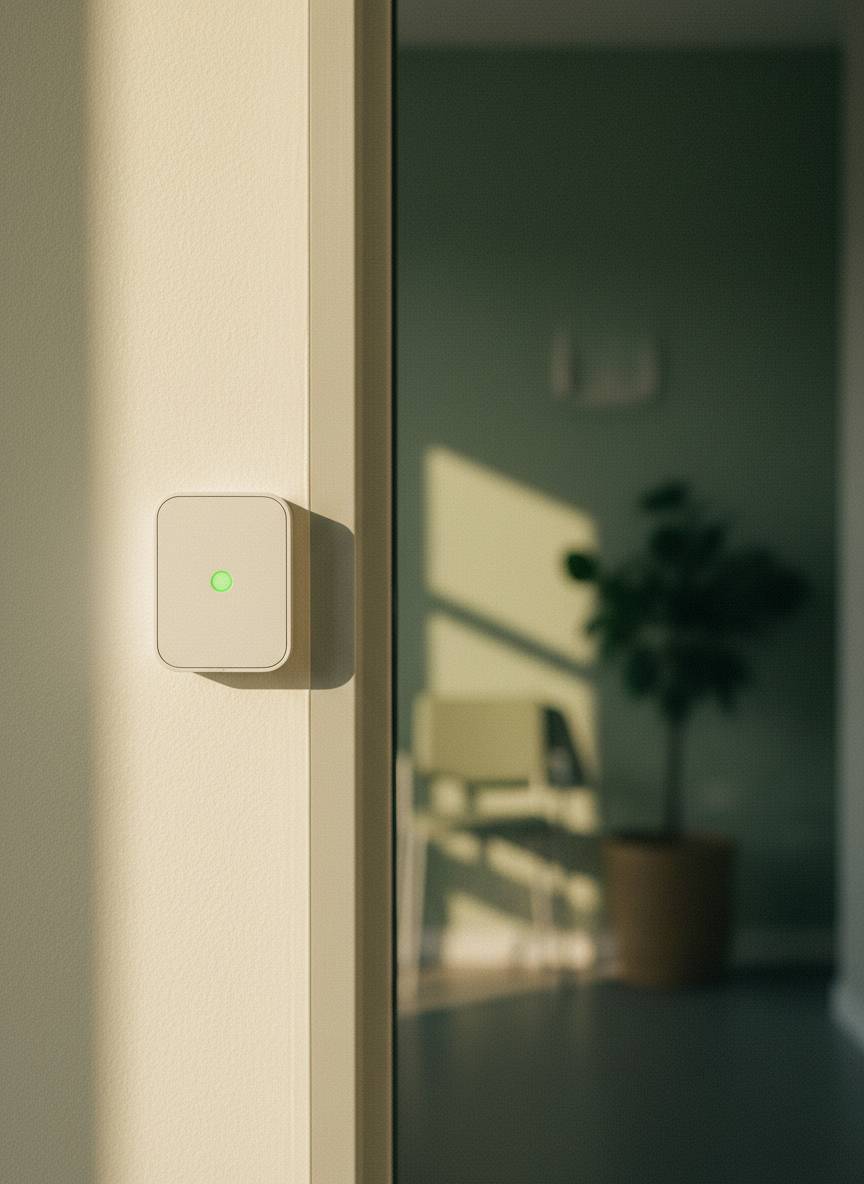
A badge reader with a small green indicator light, mounted beside a doorway in a clinic.
Fig. 05Least privilege — access is granted, never assumed
  1. Collect the minimum

    Every field has to justify itself. If the product works without a piece of information, the product does not ask for it.

  2. Agreements before data

    Where a project involves protected health information, the agreements and safeguards the law requires are put in place before any data is shared with us.

  3. Encrypt and restrict

    Encryption in transit and at rest, least-privilege access, and an audit trail of who saw what and when.

  4. Keep health data out of marketing tools

    No health information in advertising platforms or third-party analytics. Telemetry is an explicit allowlist, and anything not on it never leaves the device.

  5. Plan the exit

    Data belongs to the organization and the people it describes. Export and deletion are designed in at the start.

What Base One is not

Base One is a software company. We are not a healthcare provider, and nothing on this website is medical advice, diagnosis or treatment. Unless a product's own documentation expressly says otherwise, our software is not a medical device and is not intended to diagnose, treat, cure or prevent any condition.

If you have a medical concern, contact a qualified professional. In an emergency, call your local emergency number.

Contact

Working in care?

Tell us about the organization, the people using the software and the problem in front of them. We will reply with a plain answer about whether and how we can help.